Biratnagar Airport – A Detailed Guide to Eastern Nepal’s Aviation Hub
Introduction
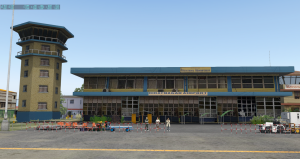
Biratnagar Airport (BIR) is one of Nepal’s most important domestic airports. Located in the southeastern part of the country, this airport serves as a crucial aviation gateway for travelers and cargo heading to and from the eastern Terai and the hilly regions. It connects the vibrant industrial city of Biratnagar with Kathmandu and other domestic airports.
Geographic and Operational Overview
-
Location: Biratnagar Metropolitan City, Mora
-
ng District, Province No. 1
-
Coordinates: Latitude 26.4815° N, Longitude 87.2634° E
-
Distance from City Center: Approximately 3 km
-
Elevation: 236 ft (72 meters) above sea level
-
Runway:
-
Single asphalt runway
-
Runway direction: 09/27
-
Length: 1,524 meters (5,000 feet)
-
-
Operational Authority: Civil Aviation Authority of Nepal (CAAN)
Airport Type
Biratnagar Airport is a domestic airport, but due to its strategic location and increasing passenger load, there have been proposals to upgrade it to handle regional international flights in the future.
Historical Background
The airport was constructed in 1958, making it one of the older airports in Nepal. Over time, it has been modernized and expanded to meet growing travel and cargo demands. Originally designed to serve small aircraft, it now accommodates larger turboprop planes such as the ATR-72 and Bombardier Dash 8.
Airlines and Destinations
Major Airlines Operating:
-
Buddha Air – Offers the most frequent services to and from Kathmandu
-
Yeti Airlines – Regular services and charter options
-
Shree Airlines – Scheduled passenger services
Primary Routes:
-
Kathmandu (Tribhuvan International Airport) – Most frequent and high-demand route
-
Tumlingtar – Gateway to the Arun Valley and trekking routes
-
Bhojpur – For access to eastern hilly districts
-
Lukla (seasonal) – Some charter flights for mountaineering tourists
Infrastructure and Facilities
While not as large as Tribhuvan International Airport, Biratnagar Airport has basic yet functional facilities:
Terminal Facilities:
-
Check-in counters for major airlines
-
Baggage handling area
-
Passenger waiting lounge
-
Restrooms and security checks
-
Small retail and refreshment shops
Ground Transportation:
-
Taxi and private vehicles available for hire
-
City buses and auto-rickshaws connect the airport to the main town
Economic and Strategic Importance
Industrial Connectivity:
-
Biratnagar is Nepal’s second-largest industrial city. The airport supports:
-
Business travel
-
Air cargo for small and medium i
-
ndustries
-
Quick access for corporate and government officials
-
Tourism Role:
-
Serves as a base point for travel to Eastern Nepal, including:
-
UNESCO Ramsar site
-
Baraha Kshetra – A major Hindu pilgrimage site
-
Kanchenjunga Region – Access via connecting flights and roads
Disaster Response and Emergency Use:
-
Acts as an alternative airport during poor weather in mountainous areas
-
Key location for relief operations during floods and natural disasters in the Terai
Future Developments and Expansion
Proposed Upgrades:
-
Runway Extension – To allow larger aircraft and night landings
-
Terminal Modernization – Enhanced passenger facilities and larger waiting areas
-
International Upgrade Plans – Long-term vision includes transforming Biratnagar Airport into a regional international airport connecting to Indian and Southeast Asian cities
Nearby Attractions and Travel Opportunities
Top Attractions Around Biratnagar:
-
Koshi Tappu Wildlife Reserve – Popular among birdwatchers and nature enthusiasts
-
Baraha Kshetra – Mythologically significant site at the confluence of the Koshi River
-
Biratnagar Haat Bazaar – One of Nepal’s largest weekly markets
-
Itahari and Dharan – Emerging cities within 30–45 minutes’ drive
Trivia and Interesting Facts
-
Biratnagar is the birthplace of several Nepali prime ministers, making the airport politically significant.
-
The airport often becomes a staging point during elections or major
-
national events in eastern Nepal.
-
Used by mountaineers flying to the east before heading toward trekking regions like Taplejung and Kanchenjunga.
Conclusion
Biratnagar Airport serves as a vital transportation and economic lifeline for eastern Nepal. Its strategic location, growing infrastructure, and role in tourism and business make it one of Nepal’s busiest and most important domestic airports. With future upgrades on the horizon, the airport is poised to further enhance connectivity and regional development in the years ahead.